View from the Foothills of France

Some personal views on living, working,
bringing up family and making the dream happen in the most beautiful region of France. View from the Foothills of France also includes some personal and professional thoughts and tips on finding and buying the perfect property in the Ariège and Haute Garonne regions.

Archives

Categories

Why is there no option to pay to watch the BBC outside of the UK?

I have just visited a property where an English couple have had to install a satellite dish the size of car just to be able to watch the BBC (well Blue Planet specifically). They have owned the house for a while as a holiday home but have recently moved over to the foothills permanently and now feel the need for that occasional connection with home via BBC television and radio.

When we first moved to France, getting any TV or radio station was relatively easy with the installation of a small satellite dish and a set top box but, a few years ago, the satellite footprint was changed and large swathes of South West France lost the signal. Since then, the only way to be able to watch TV from outside France has been to install a dish so huge that it cannot safely be installed on the roof or to attempt to watch via the internet using proxy servers that hide one’s location which may or may not work and are illegal.

Of course, there is the argument that when you move to France, you should watch French television, listen to French radio and read French newspapers but, certainly in the UK, we are spoiled by the quality of output from the BBC compared to the endless American imports and game shows on French television and sometimes it is important to feel that connection with home and one’s friends and relatives there, however high-brow you might intend life to be in France. Plus it is nice to feel a sense of belonging to more than one country (Europe anyone?)

So here is my question – if it is illegal to watch the BBC in France, why are we not given the option of paying the BBC licence fee so that we can then access it via the internet perfectly legally? I know lots of people (and not just British) who would happily pay the £145.50 per year or a similar subscription fee to be entitled to watch the BBC wherever they live in the world.  Moreover, according to a report by GlobalWebIndex, more than 60 million people are already watching BBC iPlayer for free outside of the UK by masking their location so there appears to be huge potential here for allowing people to subscribe, just as they do for the likes of Netflix which will have the added benefit of providing a huge increase in funding for the BBC. It just seems that it could be a win-win situation for all concerned – so can anyone tell me why this can’t be done?
 

Ski property in the Pyrenees; the best of all worlds

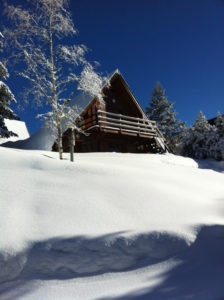
It is that time of year when I suddenly start getting lots of enquiries about ski property. The moment it turns cold and photos start appearing of snow in the mountains and ski resorts, thoughts turn to skiing, winter sports, log fires, vin chaud and the idea of a ski chalet or apartment near the slopes combined with après-ski glamour, whether that be buzzing bars, cosy restaurants or luxurious spa facilities.

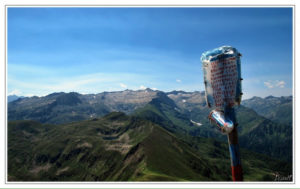
While the Alps have become overpriced both for property and for skiing, here in the Pyrenees, excellent value ski properties can still be found for buyers seeking bolt-holes they can use winter and summer, rent out easily and hopefully reap some eventual capital gain.

The last decade has seen massive investment in the resorts here in the Pyrenees, resulting in better access and faster lifts, many more snow-making machines and better infrastructure. Surprisingly, however, property prices have not risen at the same rate as these improvements so that ski property in the Pyrenees is currently looking like a very good buy.

In addition, skiing and holidaying in the Pyrenees is still relatively affordable, most notably, when it comes to ski passes, food and accommodation thanks to the fact that, in the mountain villages of the Pyrenees, the restaurants and shops are mostly small family run enterprises whose primary aim is simply to make a living. This is not an area of commercial savvy and most small businesses have been here for generations. They also tend to operate year-round as part of the local community, as they have for centuries, as opposed to fleecing the tourists as much as possible during the few short months of the winter season. It is the same story with lift passes which are around half the price of those in the Alps.

So not only is the dream of a ski property achievable here in the Pyrenees, you will also save money when you come on holiday and there is also an excellent year-round rental market.

For more information and advice, please do get in touch: nadia@foothillsoffrance.com

Le Chemin de la Liberté; the freedom route from France to Spain over the Pyrenees during the Second World War

There has been a recent television series in the UK (Channel 4) covering the escape routes from Nazi territories during the Second World War. There were a number of escape routes through France, one of the most successful of these being the Pat O’Leary Line via Toulouse and then our local town, Saint Girons.

This route was known as the Chemin De Liberté and I have written before about this freedom trail across the Pyrenees but it is always worth a revisit to ensure that we remember what so many people went through during the occupation. It seems especially pertinent to remember right now when we seem to be in the process of trying to destroy the peace and unity we have enjoyed since the creation of Europe.

This high mountain route from the Ariège into Spain was carefully chosen as it avoided all official checkpoints. Between 1940 & 1944, there were 33,000 successful escapes along the entire length of the Pyrenean chain and 782 escaped over the mountain peaks of the Ariège, including many allied soldiers and Jewish escapees.

One of the most famous English escapees was the World War resistance fighter Nancy Wake who worked for the Special Operations Executive and was forced to flee from the Gestapo in 1943 along Le Chemin de la Liberté. Many who undertook the journey had no food, completely unsuitable clothing and had to survive terrible weather conditions and heavy snow along the route. Most would never have survived without the help and bravery of the local Ariègeois who provided them with shelter and food and guided them over the mountains to safety.

By the beginning of 1943 German surveillance had increased often due to the betrayal by Frenchmen who worked for the feared Vichy-run paramilitary force “La Milice” and there were many ambushes along the trails. Despite this increased surveillance, the St Girons-Esterri escape route via Mont Valier remained operational until the end of the war.

There is an excellent museum in Saint Girons that commemorates the trail and each year, a guide leads a group along the trail to remember those who made it and those who did not. For more information: https://www.chemindelaliberte.fr/page-accueil/the-freedom-trail?showall=1&limitstart

A 5-point-plan for buying a house in France in the current property market

Sunrise (in the French economy)

France appears to have turned the corner economically in 2017 and, if Macron succeeds in getting through his changes to the current restrictive labour laws, the future for the French economy is looking very bright indeed. Certainly, for the French property market, things are moving, transactions are up (according to the latest Notaires’ French property market report), particularly in the lower and higher property price brackets. Agents are reporting a large increase in both enquiries and buyers and Notaires are drowning in paperwork (but then that’s nothing new!)

Currently it seems that there is a steady, if slow, movement of properties and there are both new sellers and new buyers in the market.

Bearing this in mind, here is a 5-point plan for anyone looking to buy in the current market:

  1. Don’t expect or keep waiting for prices to drop further; they are on the level and beginning to increase in the most popular areas.
  2. Mortgage rates are at a historic low and the Euro is low compared to many currencies so if you have been waiting for the perfect time to invest, I would suggest that this might be it.
  3. Look for quality and be prepared to pay a premium for it – it is always worth it long term.
  4. Do not hesitate to make an offer – sellers are far more prepared to negotiate than they were a few years ago and there are plenty of urgent sales out there (divorce, relocation, death etc).
  5. Location is still key whatever the market is doing.

Any questions, please feel free to get in touch and I will do my very best to answer them.