View from the Foothills of France Some personal views on living, working,
bringing up family and making the dream happen in the most beautiful region of France. View from the Foothills of France also includes some personal and professional thoughts and tips on finding and buying the perfect property in the Ariège and Haute Garonne regions.
|
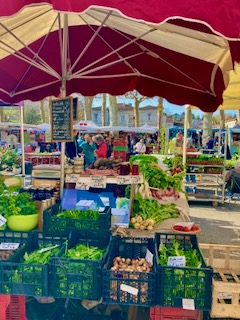
By nadia, on 18th November 2025  Are great local markets one of the attractions of buying a house in France? Airbnb have just released the results of a study showing the importance of local food and gastronomy to French holidaymakers when choosing a destination. It turns out that 75% of French people who go on holiday or take a short break in France are influenced by the local gastronomy in their choice of destination.
I suppose we shouldn’t be surprised by this; it is well-known that the French are obsessed with food, but I was interested to see how much it influenced holiday choices. And 75% is huge – 3 out of 4 people effectively said that they put food (and wine) at the top of their list when choosing where to go on holiday. I started wondering if food has any influence on house hunting decisions too.
Interestingly the French seem less drawn to big name chefs or internationally renowned restaurants; most of those surveyed said that it is the local and traditional cuisine which attracts them and the small, family-run bistros and abundant local markets. They are particularly influenced by recommendations of friends and family or word of mouth rather than advertising or social media campaigns. Before they book, the French admit to doing their research and even reserving restaurants and tastings months ahead and most say that they will hunt out local specialities to eat and to bring home to enjoy with family and friends in order to re-live that holiday feeling.
In terms of which French regions came out as favourite in terms of food destinations for the French holidaymaker, the first on the list was Brittany but number two was our own region of Occitanie which doesn’t surprise me as the southwest is known for it’s excellent local produce and farming and the very traditional take on cooking. Cassoulet gets a mention (a speciality of Carcassonne, Castelnaudry and Toulouse, all of which battle for being its place of origin). Then it is confit de canard, foie gras and the local cheeses of the Pyrénées.
Wine tourism is also a big deal for French holidaymakers, and many choose an area where they can visit vineyards and taste the local wine. In fact, the Airbnb map of most popular holiday destinations shows the best-known wine-areas in France also being the most visited regions.
It is often true that our favourite dishes are those from our childhood, enjoyed en famille, cooked by our parents or grandparents and so it makes sense that some of the highest rated cuisine in France is actually those very same home-cooked, comfort dishes and it is these that the French are searching out when on holiday. It is an authentic way of eating and hence an authentic way of travelling too.
I know that personally, we certainly always try to choose the local dishes and specialties when on holiday but I must admit that we haven’t booked many holidays purely on the strength of a destination’s cuisine although maybe now, I might well think about that at the planning stage rather than on arrival somewhere. Certainly, thinking back to past holidays and looking at old photos, many of the best holiday memories are centred around a table and a good meal.
It also makes me remember again how lucky we to live in a region where so many people want to come on holiday for both the food and wine and the landscapes and lifestyle.
If food is important for planning a holiday, it deserves even more consideration when deciding where to buy a house in France. I can certainly recommend our gourmet region as a wonderful place both to come on holiday and to live so, if you are planning a house hunting trip, why not get in touch: nadia@foothillsoffrance.com
Like this:Like Loading...
By nadia, on 5th November 2025  A view is high on most buyer’s wish-list Ask anyone what first draws them to France and the answers are almost always the same: quality of life, space, sunshine, food, wine, and a gentler pace. But when it comes to actually buying a home here, those romantic daydreams quickly take on more practical form. After years of helping international buyers find their dream property in France, certain themes appear again and again, a shared wish list that speaks volumes about what buyers are looking for when buying a home in France. Here are some of the top criteria:
1.Character and authenticity
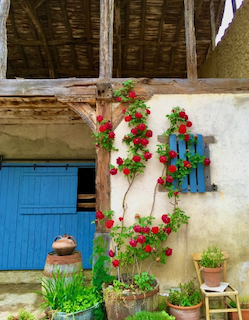
Very few people move to France looking for something modern and shiny. The dream usually involves stone walls, blue shutters, terracotta tiles and a big old fireplace; a home with history and soul. Whether it is a farmhouse tucked away in the hills, a village house with a courtyard, or a converted barn, buyers are looking for properties that feel distinctly French, with a sense of timelessness and belonging.
2. Space and privacy
For many people, France means space, physical and mental. After years of cramped living, buyers want gardens, orchards, meadows and views, not crowds or traffic. They are seeking somewhere peaceful, but not remote; private, yet connected to a community. A place with room to breathe and the freedom to live life outdoors.
3. A view to fall in love with
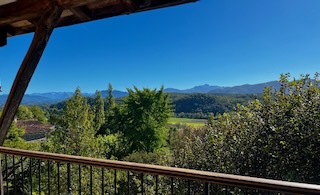
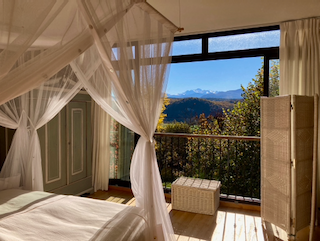
Ask buyers their top priority and a large number will say simply ‘a view’. Whether that is mountains, vineyards, rolling green hills or endless sunflower fields, a beautiful view is what anchors so many French property dreams. The house can be modest, but if it looks out over something wonderful, it becomes exceptional.
4. The right climate
The weather plays a huge part in the decision as to where to live in France. Many buyers are drawn to the south and southwest, to places that enjoy sunshine for most of the year but remain green and lush unlike much of the southeast of the country which is becoming too hot and dry creating an increasing problem with wildfires. Regions like the Ariège, the Haute-Garonne, the Gers, and the Hautes-Pyrénées have become particularly sought-after for their perfect balance of warm summers, mild winters, along with adequate rainfall.
5. Lifestyle and local flavour
Eating, drinking and outside living are a huge part of what buyers are looking for when choosing a property in France. This is the country after all, where food, wine and markets are part of the rhythm of life. Many buyers choose a region not only for its scenery but also for its gastronomy; the Armagnac and duck of the Gers, the mountain cheeses of the Pyrenees, the wines of Madiran. The promise of buying fresh produce from local markets and eating meals on a sunny terrace is, for many, irresistible.
6. Ease of access
While the dream might be rural, practicality still matters. Most buyers want to be within easy reach of an international airport, a railway station or the motorway network. Toulouse, for example, is a major international hub, easily accessible from all of the regions around it and the gateway to much of the southwest of France.
7. A manageable project
Gone are the days when everyone wanted a complete ruin to restore. These days, most people prefer something habitable with scope for improvement rather than a total renovation. A house they can enjoy immediately but still make their own over time.
8. Value for money
France remains one of the few European countries where you can still buy an old stone farmhouse with land, barns and a view, for incredible value. While Provence and the Dordogne remain popular, many buyers are discovering the exceptional value as well as the beauty of less well-known regions in the southwest.
9. Space to work and to be creative
With more people working remotely than ever before, good internet, quiet surroundings and space for a home office or some kind of creative studio have become key considerations. France lends itself perfectly to a balanced lifestyle that blends work with nature, family and community and French countryside property is often similarly flexible.
10. A home that fits a way of life
Ultimately, buying in France is about more than property, it is about living differently. People are looking for a home that supports the kind of life they want, cycling through quiet lanes, walking in the mountains, riding horses, tending gardens, shopping in local markets, cooking, eating, drinking and sharing.
Why using a property finder makes sense
Finding that perfect property, however, can be challenging. Houses are often sold quietly or privately, websites can be incomplete or out of date, and the best properties sometimes never even make it to the open market. That is where an experienced property finder comes in. A good property finder not only tracks down the homes that match your wish list but also guides you through every stage of the buying process, from pre-viewings and written reports with photos to a short-list, accompanied viewings and negotiations right through to final signature, helping you navigate language, paperwork, and local complexities with confidence.
Buying a home in France is one of life’s great adventures as long as you get it right. And, with knowledgable support, it can also be one of the most rewarding.
If you would like help finding the perfect property, please get in touch: nadia@foothillsoffrance.com
Like this:Like Loading...
By nadia, on 15th October 2025 
Buying a property in France may seem daunting at first, but once you understand the process, it’s refreshingly logical, well-regulated, and far less stressful than in many other countries. Below is an outline of the key stages to explain how it works and what happens when.
1. Making an offer
Once you have found the property you want to buy, you make an offer (offre d’achat), usually in writing. A written offer shows genuine intent and can help secure the deal quickly. The seller can accept, refuse, or make a counteroffer. The exception being that if you offer the asking price, the seller is obliged to accept, they are bound to sell the property at that price. French Law considers there is an agreement on the price and the object being sold and that is enough to create a contract although, in practice, only signing the Compromis de Vente officially secures the deal.
2. Signing the Compromis de Vente
When both parties agree on a price, the Notaire (a government-appointed property lawyer) prepares the Compromis de Vente, the preliminary contract. This sets out the price, conditions of sale, and any provisional clauses agreed between buyer and seller (for example, if you are waiting on mortgage approval). It also includes all the diagnostic reports for gas, electrics, lead, asbestos, termites, state of septic tank etc so you know exactly what you are buying and what work, if any, you might need to carry out in the future.
3. Cooling-off period
After signing, the buyer benefits from a mandatory 10-day cooling-off period (délai de rétraction). During this time, you can withdraw from the purchase for any reason without penalty. The seller, however, is bound by the agreement from the moment they sign.
4. Paying the deposit
Usually 5–10% of the purchase price, the deposit is paid to the Notaire’s secure escrow account once the Compromis is signed, and the cooling-off period has passed. This allows the legal process to begin.
5. Property searches and due diligence
The Notaire now carries out all the necessary searches; checking ownership, boundaries, rights of way, mortgages, planning permissions and goes through the results of mandatory diagnostic reports (all of this ensures full transparency and protects both parties).
6. Securing finance
If you need a mortgage, this is the stage to finalise it. If the Compromis includes a clause suspensive for mortgage approval, and your application is declined, you can legally withdraw without losing your deposit.
7. Signing the Acte de Vente
Once all the searches are complete and any conditions have been met, the Notaire prepares the Acte de Vente, the final deed of sale. Both parties sign, usually in the Notaire’s office (although you can sign by power of attorney), funds are transferred, and the keys are handed over. Congratulations, the property is officially yours.
8. After the sale
The Notaire registers the sale with the French Land Registry and provides you with an attestation (certificate of proof) that you are now the official owner. Later you will be sent a copy of the actual deed (titre de propriété). You will also receive an itemised breakdown of fees, taxes, and Notaire costs.
A secure and transparent system designed to protect the buyer
What makes the French system stand out is how structured and transparent it is. The Notaire acts for both parties equally, the buyer is well protected at every stage, and once the Compromis is signed, there is very little room for surprises or problems. In most cases, you can expect to move into your new home in France within about four months of your offer being accepted; a refreshingly smooth process by international standards.
Using a property finder
Of course, if you use our property finder services, we will not only do all the research to narrow down to a short-list of properties for you to view that match your criteria, we will also help you negotiate the right price, and hold your hand through the whole buying process right until completion. We do also have a black book of useful contacts we are happy to share with you after completion to ensure that your purchase and setting up of your new house is as easy and stress-free as possible.
If you would like to discuss how we can help you with your property search, please get in touch: nadia@foothillsoffrance.com
By nadia, on 17th September 2025 
Buying a house and making the move to France is not as complicated as it sometimes might seem but there are a few boxes that you need to tick if you want the process to be as stress-free as possible. Below is a very simple 10-step checklist to make sure you don’t miss any of the essentials, from finding a property to obtaining the correct visa, making the move, sorting out all the administration and, finally, settling into your new life in France.
- Define your location and budget
Research different regions of France and decide what lifestyle suits you best whether that be countryside, village or town, bustling community, or isolated hideaway and then the type of property you are looking for and the transport links. Factor in property prices, notaire fees, renovation costs, and local taxes.
- Find your home
I might be biased on this one, but I would suggest you use a property finder; finding the perfect house in France is not as easy as it is in other countries and can be very time consuming and frustrating. Take your time and also, once you have found your house, be prepared for the buying process to take a good four months from offer to completion. And that the paperwork will be in French.
- Secure financing
If you are hoping to buy with a French mortgage, open dialogue early with banks or mortgage brokers. Non-residents can obtain French loans, but proof of income and larger deposits (20–30%) are usually required.
- Apply for the right visa
Non-EU citizens moving permanently must apply for a long-stay visa (visa de long séjour valant titre de séjour, VLS-TS) before arriving in France. After your first year, you can apply for a renewable residence permit, a carte de séjour pluriannuelle (multi-year residence permit). From January 2026, you’ll need A2 French proficiency (that is to say you can handle very simple everyday tasks in French). After five years of legal residence, you may apply for permanent residency or even French citizenship. For a permanent carte de séjour 10 ans, you will need B1 French (you can cope with routine conversations, understand main points of clear speech, and write simple phrases) and to show integration, a stable income, tax compliance, and a fixed residence.
- Plan to move of your belongings
If you’re importing household goods, use an international removals company experienced with French customs. Goods for personal use can usually be imported duty-free, but you’ll need a detailed inventory and proof of your change of residence.
- Bring your pets
Dogs, cats, and ferrets need a microchip, valid rabies vaccination, and a pet passport or health certificate. Check the latest EU entry rules well ahead of time to avoid quarantine delays. Once you are in France, register at your local vet and get a pet passport and then you can travel easily.
- Open a French bank account
A local bank account is essential for paying utilities, taxes, and receiving income. Some banks allow you to open an account with a passport and proof of address, while others may ask for a residence permit. Online banks such as Boursorama or traditional ones like Crédit Agricole are popular choices.
- Arrange healthcare and insurance
Register with the French health system (Assurance Maladie) once you are resident but expect a waiting period of up to three months. In the meantime, private health insurance is required. Most residents also take out a mutuelle (top-up insurance) to cover costs not reimbursed by the state.
- Sort out daily life logistics
Register at your local Mairie, sign up for utilities (water, electricity, internet), don’t be scared to ask for help and sign up for French lessons; having a good grasp of French will help enormously with integration.
- Embrace the French way of life
Moving is not just about paperwork. Take the time to connect with neighbours, explore local markets, join some clubs, and accept that most places here still close for lunch and on Sundays and nothing happens very quickly so it is best to relax into the slower rhythms of French life and eventually you will begin to adapt and enjoy and wonder what all the rush was about anyway.
With the right preparation, your move to France can be smooth and deeply rewarding but, as with everything, a lot of the long-term success is founded in the early planning stages. If you need help with your move to France, please get in touch: nadia@foothillsoffrance.com
Like this:Like Loading...
|
For further information please contact us:
|


You must be logged in to post a comment.